Weighing the Stone: Embodied-Carbon Diligence for Beijing Luxury Interiors

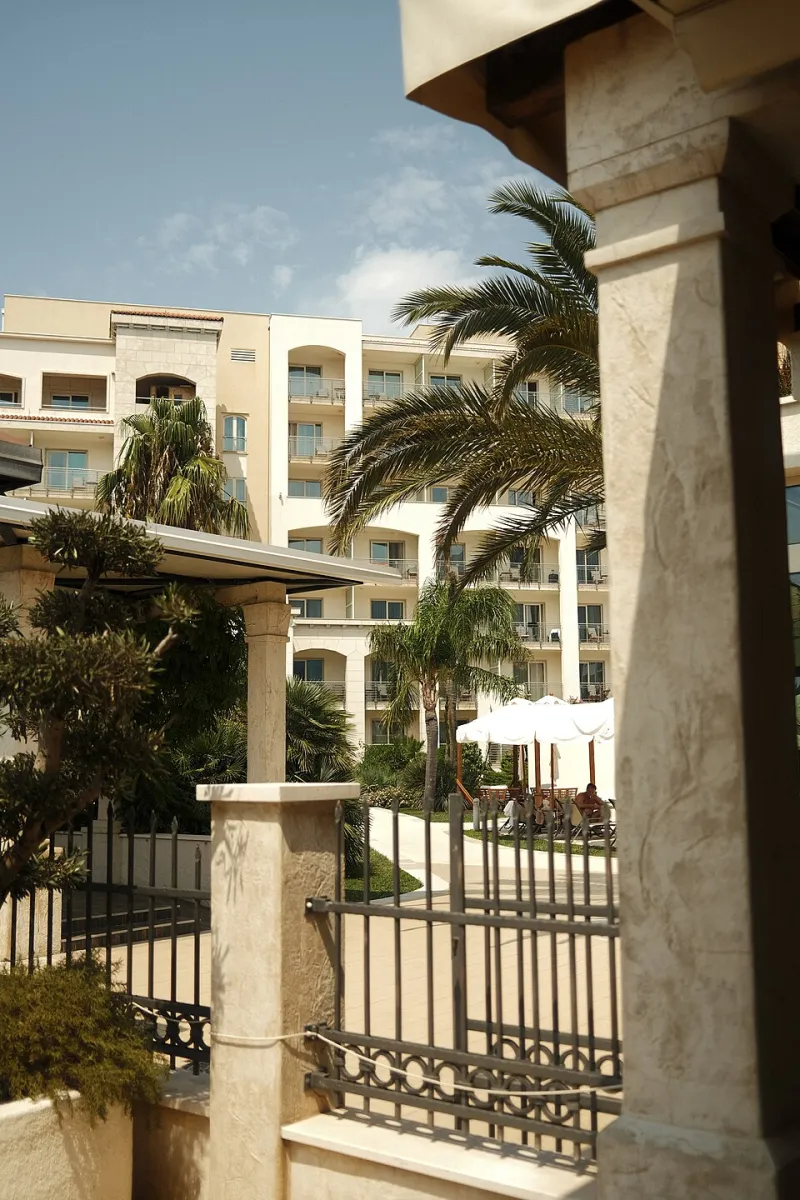
Photo: luxury marble slabs and custom wood interior finishes in a design studio, via wallup.net
In Beijing's luxury residential, hospitality, and flagship retail projects, imported stone and bespoke millwork carry the visual argument for premium pricing. They also carry carbon. As developers defend green pricing power in 2026, embodied carbon in interiors is moving from a design footnote to an investment diligence item. For US investors and brand tenants, the question is not whether the lobby is beautiful. It is whether the beauty can be documented, compared, and defended.
Why interiors are now an investment issue
Embodied carbon covers emissions from extraction, processing, transport, installation, maintenance, and replacement. In high-end interiors, small quantities of material can carry outsized impact: marble slabs shipped across continents, engineered stone with resin binders, custom woodwork with adhesives and finishes, and specialty metals. Developers that can show low-carbon interiors gain an advantage with certification systems, institutional tenants, and brand partners that report on Scope 3. Those that cannot face a growing documentation gap.
Where the carbon sits
Stone is the obvious starting point. Quarrying, cutting, resin treatment, and freight all matter. A low-carbon stone specification is not simply local stone; it is stone with a verified transport distance, processing energy, and waste profile. Custom millwork raises questions about wood sourcing, panel products, adhesives, and coating systems. High-end finishes add carpets, leather, engineered surfaces, and decorative metals, each with its own supply chain.
The metrics should be product-specific. Ask for kilograms of carbon dioxide equivalent per square meter of finished area, per ton of material, or per unit. Request cradle-to-gate data, including transport to the project, and a clear boundary statement. Whole-life carbon assessments can be useful, but they are only as good as the material quantities behind them.
What credible documentation looks like
A credible package starts with a material schedule tied to quantities and suppliers. It includes environmental product declarations or verified life-cycle assessments for the major finishes, not generic industry averages. It shows transport mode and distance, factory location, recycled content, and chain-of-custody for wood. It should also address indoor air quality, because low-carbon finishes that emit high volatile organic compounds are not a win for occupants.
Third-party verification matters. A developer's internal claim is a starting point, not an audit. The strongest documentation links each claim to a product, a supplier, and a quantity that can be traced in the project budget.
Diligence questions for US capital
- What is the embodied-carbon intensity of the interior package, and which standard was used?
- Are the assessments product-specific, and do they cover transport to Beijing?
- Which materials dominate the total, and what alternatives were considered?
- Are environmental product declarations available for stone, millwork, carpets, and engineered surfaces?
- How is wood sourced, and is there chain-of-custody certification?
- What is the replacement cycle for high-wear finishes, and is take-back available?
- How are adhesives, sealants, and coatings controlled for indoor air quality?
- Who verified the data, and what was the verification scope?
- Does the lease or brand standard require low-carbon materials at refurbishment?
- How will the data be reported to investors and tenants after completion?
Red flags
Generic claims that natural stone is low carbon. Certification logos with no scope statement. Offsets used in place of reductions. No transport data. Industry-average declarations presented as product-specific. A beautiful show unit with no material schedule. A sustainability report that discusses design intent but not quantities. Refurbishment plans that assume like-for-like replacement of imported finishes. Take-back claims without a contracted receiver.
Underwriting the green premium
For investors, documented low-carbon interiors can reduce obsolescence risk, support premium rents with sustainability-minded tenants, and lower the cost of future refurbishment. But the premium should be tied to evidence. Include a carbon data room in diligence, test a sample of material claims, and require post-completion reporting. For US LPs, the same data feeds climate risk reporting and asset-level improvement plans.
In Beijing's luxury market, the marble will still matter. The difference in 2026 is that the carbon behind it must be measured before capital is committed. The projects that can show their work will be better placed to defend pricing power and to satisfy the next generation of tenants and investors.