Beijing's Longevity Corridor: Why Premium Wellness Real Estate Is Drawing Cross-Border Capital
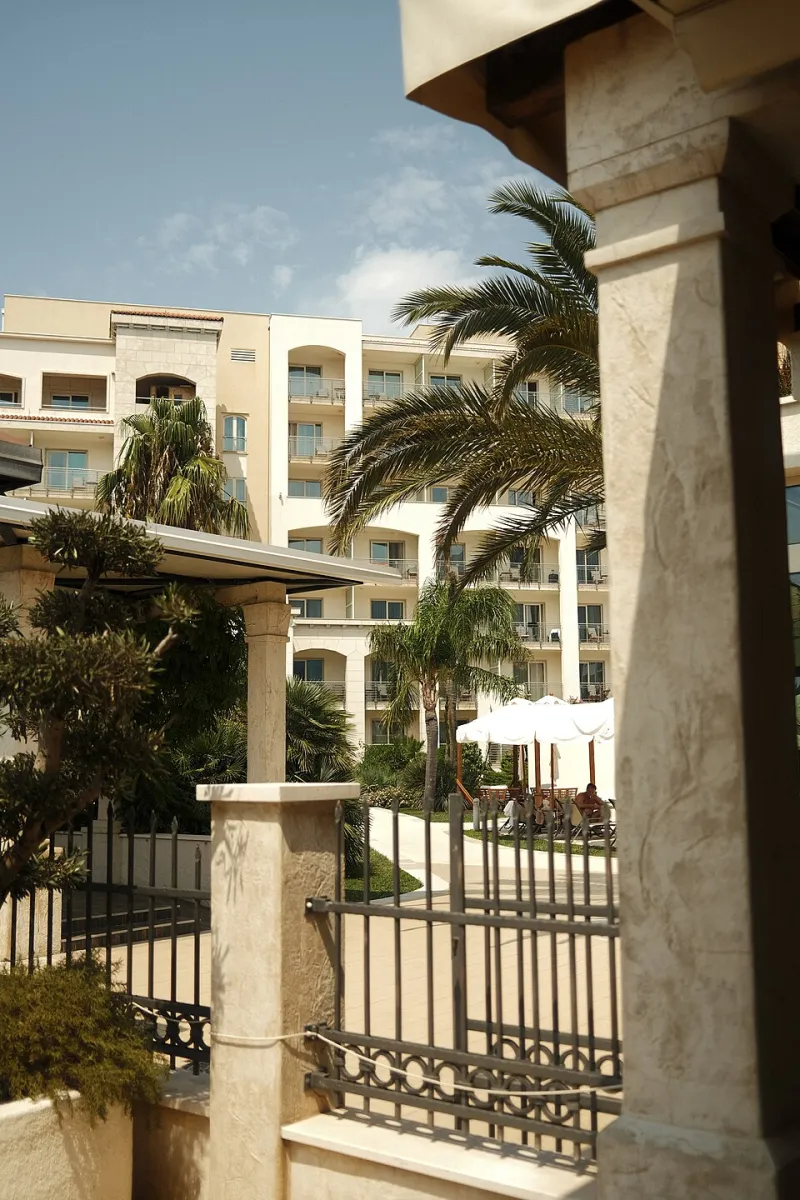
Photo: Shixart1985, CC BY 2.0, via Wikimedia Commons
Beijing's longevity economy is no longer a niche story confined to private clinics and imported supplements. As of late 2026, premium wellness operators are seeking space in the central business district, Chaoyang, and hotel-adjacent developments, while landlords are repositioning office and retail podiums to accommodate them. The result is a small but visible convergence of preventive medicine, hospitality, and real estate.
For US market watchers, the appeal is not simply China's aging population. It is the intersection of affluent consumer demand, clinical service delivery, and building performance. Longevity operators sell time, privacy, and confidence. The real estate that supports those promises must deliver indoor air quality, acoustic control, reliable power, and a level of finish that matches a luxury hotel.
The Demand Signal
Beijing's high-net-worth households are spending more on preventive health, diagnostics, and concierge-style medical services. The demand is partly demographic and partly cultural. An affluent consumer who has traveled internationally expects a clinic that feels more like a private club than a hospital outpatient department. Post-2020 concerns about respiratory health have also raised awareness of indoor air quality, filtration, and building ventilation.
National policy has encouraged preventive health and healthy lifestyles, but the commercial market is driven by household spending. US investors should distinguish between broad policy language and the narrower pool of consumers willing to pay for premium longevity programs. The addressable market is concentrated in a few Beijing districts and in a clientele that values discretion.
From Clinic to Clubhouse
Premium longevity operators blend medical services with hospitality. Offerings may include diagnostic imaging, physician-led health assessments, IV therapy, physiotherapy, meditation, and biohacking studios. Some operators partner with local medical institutions for licensing and clinical oversight. Others focus on wellness and lifestyle services that sit outside the core medical regulatory perimeter.
Landlords are courting these tenants because they generate recurring revenue and attract affluent foot traffic. A longevity clinic can anchor a mixed-use development, support a luxury hotel's wellness floor, or occupy a converted retail podium. The real-estate strategy is less about traditional medical-office space and more about creating a controlled, private environment with hotel-grade service standards.
Why Green Buildings Matter to Longevity Operators
Wellness operators make health claims, explicitly or implicitly. Those claims are easier to defend when the building supports them. High-performance HVAC, filtration, humidity control, low-VOC finishes, and acoustic separation are not decorative extras; they are part of the clinical and hospitality proposition. WELL certification and LEED credentials can help a landlord market space to wellness tenants, but operators should verify actual building performance.
Green-building credentials also affect operating risk. A building with monitored air quality and reliable maintenance is less likely to experience the service disruptions that damage a premium clinic's reputation. Energy resilience matters for diagnostic equipment and temperature-sensitive therapies. US investors should underwrite the building systems, not just the certificate, and should ask for commissioning reports and maintenance records.
The Regulatory Contours
Regulation is the central risk. Medical institution licensing, foreign-investment restrictions, telemedicine rules, advertising limits on health claims, and personal-information protection all shape what a longevity operator can do. Cross-border data flows for diagnostics and patient records require careful review under China's privacy regime. A US investor cannot assume that a wellness concept approved in Miami or New York will fit Beijing's regulatory perimeter without adaptation.
Land use and zoning also matter. A clinic may require a different approval path than a spa or fitness studio. Fire safety and building-code compliance can constrain conversions of older retail or office space. Local partners and counsel are essential. The strongest operators in Beijing tend to combine international service standards with local clinical and regulatory expertise.
The 2026 Opportunity Set
The investable universe is narrow but varied. Boutique medical suites in Grade A office buildings can serve a concierge clientele. Wellness floors in luxury hotels benefit from shared hospitality infrastructure. Retail podium conversions may work for biohacking and lifestyle studios that do not require full medical licensing. Lease structures may include revenue sharing, management agreements, or joint ventures with local operators.
For US market watchers, the relevant indicators are licensing approvals, clinic utilization, consumer spending trends, and landlord sustainability disclosures. Green-building operators may attract premium wellness tenants because they can document indoor environmental quality. That, in turn, can support higher rents and longer lease terms. But the correlation is not automatic. A wellness tenant will pay for performance it can verify and for a location its clients will accept.
What US Investors Should Watch
Due diligence should cover four areas: operator quality, regulatory pathway, building performance, and lease economics. Operator quality includes clinical governance, staff credentials, and patient-acquisition costs. Regulatory pathway includes licensing, foreign-investment review, and data compliance. Building performance includes air quality, filtration, power resilience, and maintenance. Lease economics includes rent structure, tenant-improvement allowances, and renewal options.
Beijing's longevity sector is not yet a mature asset class. It is a collection of operating businesses seeking real estate that can support a premium promise. US investors who treat sustainability as part of that promise, rather than as a marketing add-on, will be better placed to evaluate the opportunity. The winners will likely be landlords and operators who can document building performance, navigate regulation, and deliver a service experience that justifies the premium.