Three Days in the Capital: An American Executive's Field Guide to Beijing's Clean-Tech Corridor
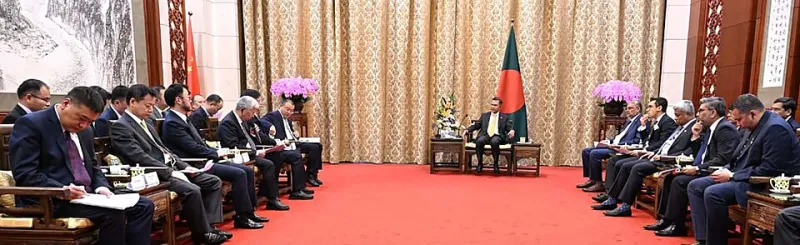
Photo: Press Information Department, Public domain, via Wikimedia Commons
A 72-hour Beijing trip is not a tour. It is an extraction exercise: you arrive with a thesis and leave with a term sheet, a shortlist, or a clear reason to stop. The itinerary below is built for a US executive scouting clean-tech partnerships, green mobility ventures, and sustainable real estate — and it assumes your time is valued at roughly the same rate as your general counsel's.
Before You Board: Four Hours of Preparation That Save a Day
First, settle entry. US passport holders can use the 240-hour visa-free transit policy if they hold a confirmed onward ticket to a third country — not a return to the United States. If your itinerary is a round trip, apply for a visa instead. Do not test the interpretation at the immigration desk.
Second, install WeChat before you fly and complete verification. Email is for contracts; WeChat is for everything that determines whether a contract happens. Load Alipay or WeChat Pay with an international card; cash is a curiosity outside a few contexts.
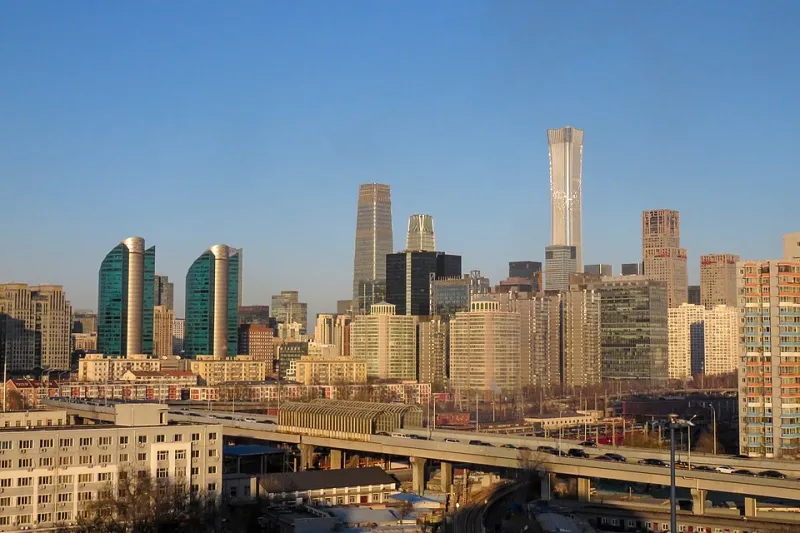
Third, study the geography. Beijing's clean-tech activity is not centralized. Zhongguancun in Haidian is deep tech and venture. Yizhuang, in the southeast, is autonomous mobility and advanced manufacturing. Changping's Future Science City is energy research. Lize is finance. Plan your days by direction, not by appointment convenience — cross-city travel is the single most common way visitors lose half a day.
Day One — Zhongguancun: The Deep-Tech Handshake
Morning: arrive at a hotel in the Chaoyang or Dongcheng core. Sleep on the plane if you can. The time difference from the US East Coast is twelve hours and it will not negotiate.
Late morning: a first meeting at a Zhongguancun incubator or a university-linked commercialization office. Tsinghua and Peking University both operate technology transfer arms with genuine depth in energy storage, grid software, and advanced materials. Expect a presentation longer than you want and a Q&A shorter than you need. Steer toward pilot customers, not technology roadmaps.
Afternoon: a walking pass through the innovation corridor. The useful signal is not the architecture; it is which companies have moved from demonstration to deployment.
Evening: a private dining room, not a banquet hall. Eight people at most. Your host will likely order — let them. Toast when toasted, keep your glass lower than the senior guest's, and never pour your own.
Day Two — Yizhuang and the Road Test
Morning: drive to the Beijing Economic-Technological Development Area. This is where autonomous driving is not a slide deck: robotaxi fleets operate here, and the regulatory sandbox is unusually permissive by international standards.
Late morning: a site visit to a mobility or battery-technology operator. Ask to see a live dispatch screen and a maintenance log. Ask what happens to unit economics when the local incentive cycle turns.
Lunch: a working lunch inside the development area rather than a return to the city core. Traffic on the eastern ring roads can absorb ninety minutes without warning.
Afternoon: back toward the center for a sustainability-linked real estate briefing — a green building consultancy, or the landlord of a certified prime asset. This is your opportunity to apply the same diligence you would apply to an office acquisition in Austin. Request twelve quarters of energy intensity data. Ask precisely what the certification covers.
Evening: drinks at a members' club or a hotel lounge in the central business district. Lower stakes, higher candor. This is where you learn which of the morning's claims has a paying customer behind it.
Day Three — Policy, Capital, and the Long Goodbye
Morning: a session with an exchange, a policy research institute, or a chamber of commerce briefing. Beijing's emissions trading infrastructure and green finance apparatus merit real attention if you are underwriting anything with a carbon component. Bring two specific questions rather than a general inquiry.
Late morning: a follow-up with your most promising counterpart — at their office, not your hotel. Walking their floor tells you how they actually operate.
Lunch: a smaller, more senior table. Say plainly what you are prepared to commit, and listen for whether they believe you.
Afternoon: keep the buffer. Beijing traffic will take it otherwise.
Evening: an early dinner and a flight, or one additional night if your counterpart signals that a document is being drafted.
The Vetting Playbook: Five Questions That Reveal a Real Operator
How much of your revenue is recurring, and from whom? What happens to your unit economics if the subsidy ends? Can I see metered performance data rather than modeled data? Who audits your environmental claims, and against what standard? And — the question that separates serious partners from merely enthusiastic ones — what have you stopped doing in the past two years?
Etiquette, Compressed
Carry business cards; offer and receive them with both hands. Use surnames and titles until invited otherwise. Avoid gifts involving clocks, knives, or white flowers. Never put a counterpart on the spot in front of junior colleagues. Assume anything said in a meeting may be repeated to someone you have not met.
The 72-Hour Exit: What 'Good' Looks Like
You will not sign anything. That is not the measure. A productive trip yields three things: a named counterpart with decision authority, a written data request you can fulfill within a week, and a scheduled second conversation with an agenda attached. Everything else is tourism with a lanyard.
Beijing rewards preparation and punishes improvisation. Three days is enough — provided you spend them on metered data, real customers, and the right dining rooms.