The Green Premium Goes Legible: How Carbon Pricing Is Reshaping Beijing's Prime Property Math

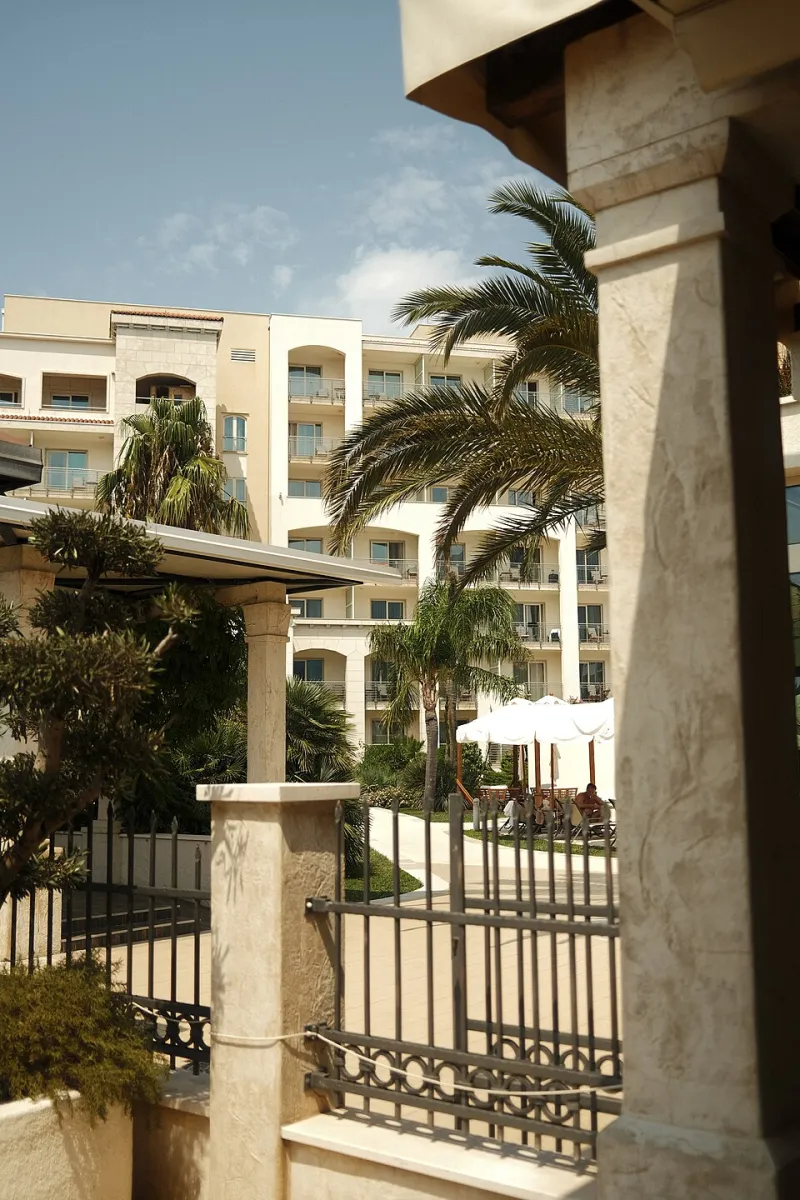
Photo: N509FZ, CC BY-SA 4.0, via Wikimedia Commons
Beijing's prime property market has spent nearly a decade treating sustainability as a finish rather than a foundation — a lobby plaque, a line in the offering memorandum, a slide in the pitch deck. That phase is ending. What replaces it is less photogenic and considerably more useful to allocators: a documented spread between assets that can prove their energy and carbon performance and assets that can only assert it.
For US institutions, family offices, and corporate occupiers watching the Chinese capital from a distance, 2026 is the first year in which that spread can be underwritten rather than merely admired.
Why 2026 Is a Threshold Year, Not a Slogan Year
Three clocks are running in parallel.
The first is regulatory. Beijing's pilot emissions trading system, in operation since 2013, has long been among the more exacting local schemes in China, and its coverage has extended beyond heavy industry into large public and commercial buildings — precisely the stock that constitutes prime office and retail. As the national market broadens and the fifteenth Five-Year Plan period opens in 2026, the direction of travel points toward tighter allocation and more granular reporting, not looser.
The second is disclosure. Multinational tenants are increasingly required by headquarters — and by European parents now facing the definitive phase of the EU's carbon border mechanism, which began in January 2026 — to produce building-level energy and emissions data. California's climate disclosure statutes and the wider migration toward ISSB-aligned reporting have made Scope 3 real estate emissions a board-level subject in the United States as well, even where federal rulemaking remains unsettled.
The third is capital. Green and sustainability-linked lending has shifted from novelty to standard product for well-documented assets, and the margin differential, modest in absolute terms, compounds across a hold period.
What 'Green Premium' Actually Means in Beijing's Prime Submarkets
The phrase is used loosely. In practice, four separate premiums are being priced.
Rental premium: the delta between a certified, well-metered building and a comparable non-certified tower in the same submarket.
Absorption premium: the speed at which space leases, particularly to tenants with published decarbonization commitments and audit committees that read them.
Financing premium: the spread on debt, plus access to lenders who will decline certain assets outright.
Exit premium: the buyer pool. Assets with credible data draw a wider field of bidders, including insurers and sovereign-adjacent capital whose mandates screen out undocumented stock.
Beijing's districts behave differently. The central business district and the Lize Financial Business District hold the deepest concentration of multinational tenants and the most demanding disclosure expectations. Zhongguancun skews toward technology occupiers whose own reporting obligations are unusually mature. Wangjing and the fourth-ring corridor offer newer stock where certification was designed in rather than retrofitted.
The Four Data Points That Matter
1. Certification depth, not certification theater
A LEED Gold plaque on a 2011-vintage tower speaks to design intent. It says little about operating performance. Ask which standard, which version, which scope — base building only, or base building plus tenant fit-out — and whether the award rested on modeled or measured data. China's own three-star green building label and the newer near-zero-carbon building pilots deserve to be understood on their own terms; they are not translations of Western ratings.
2. Energy performance disclosure
This is where genuine edge resides. Request consumption intensity data — kilowatt-hours per square meter per year — for at least three consecutive years, sourced from building metering and cross-checked against utility records. Ask for the landlord's emissions-factor assumptions. An asset that cannot produce twelve quarters of data is not a green building; it is a green aspiration.
3. Tenant demand and lease structure
Green leases remain less common in Beijing than in London or New York, which makes their presence a meaningful signal. Look for clauses that share data, apportion capital for efficiency retrofits, and set joint performance targets. Then read the rent roll: are the anchor tenants the kind of firms that publish targets and disclose progress against them?
4. Cost of capital
Confirm which lenders have actually priced the asset and on what terms. Sustainability-linked loans tied to certification levels are common and can be soft; facilities tied to measured emissions reduction are harder to obtain and considerably more meaningful.
Separating Edge from Greenwashing
The most reliable test is uncomfortable and simple: ask for the meter. Claims built on design models, off-site renewable certificates of uncertain provenance, or a single-year snapshot rarely survive diligence conducted by someone who understands building systems.
Three traps recur. The first is scope substitution — a whole-building figure derived only from common areas. The second is vintage drift — a certification earned at delivery and never renewed. The third is accounting arbitrage — purchased renewable energy certificates counted without regard to additionality, a practice that increasingly draws scrutiny from investors applying Science Based Targets criteria.
The Risks That Do Not Appear in the Brochure
Beijing's office market remains a tenant's market in several submarkets, which constrains a landlord's ability to monetize a premium in the near term. Stranding risk is real for older stock in peripheral locations, where retrofit capital may exceed the recoverable premium. Policy risk runs in both directions: incentives that improve returns can also be withdrawn. And currency and capital-account considerations still shape cross-border outcomes in ways that have nothing to do with carbon.
A Practical Checklist for US Allocators
Before committing capital in 2026, assemble the following: three years of metered energy data; the certification certificate with scope and version noted; the green lease template; a lender term sheet that references performance rather than intent; a physical condition survey paired with a retrofit capital plan; and a transition plan naming the asset's pathway to the local near-zero-carbon benchmarks now being piloted.
That package is unglamorous. It is also the difference between buying a sustainability story and buying a sustainability asset. In Beijing, in 2026, the market has finally begun to price the difference.