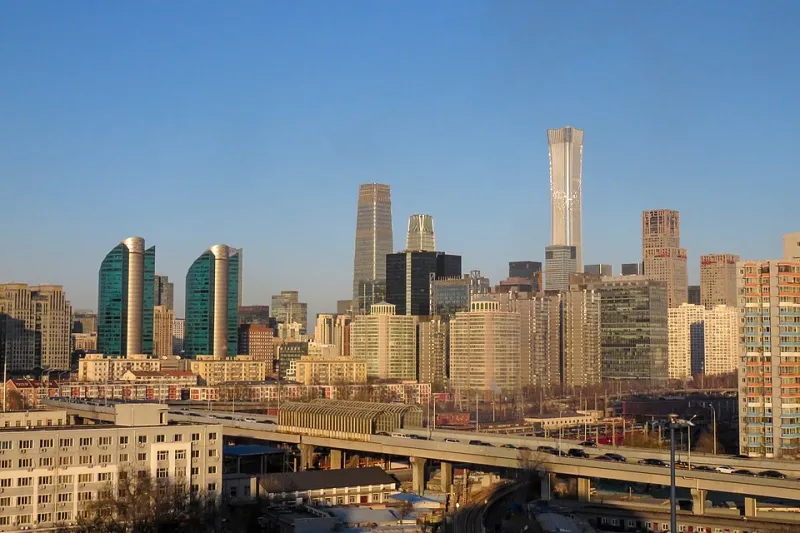
From CBD to Lize: Twelve Beijing Assets Where Green Certification Meets Luxury Pricing Power
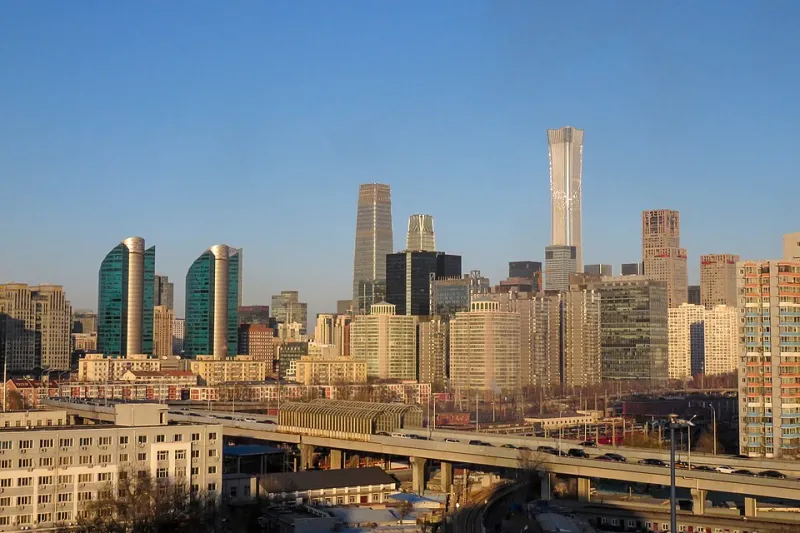
Photo: N509FZ, CC BY-SA 4.0, via Wikimedia Commons
Beijing does not usually announce its investment themes. It builds them, certifies them, and then lets the rent roll speak. As the city opens the first year of its 15th Five-Year Plan, with a national carbon-peaking target now four years away, the prime end of the market has acquired a measurable hierarchy: assets that can prove operational performance are pulling away from assets that merely claim green intent.
What follows is an editorial screen, not a valuation. It is built for US executives and allocators who need to narrow a very large city into a shortlist before the diligence budget starts burning.
How the Dozen Was Assembled
Three filters did the work. First, certification depth — design-stage plaques count for little; what matters is operational certification (LEED for Existing Buildings: O+M, WELL at the building scale), China's own three-star rating under GB/T 50378, and disclosed energy-use intensity data. Second, luxury pricing power — the ability to hold rent and service charge through a soft cycle, usually underwritten by brand affiliation, concierge depth, and tenant mix. Third, cross-border legibility — clean title, predictable holding structures, lease documentation an offshore counsel can read without translation risk, and a plausible buyer universe at exit.
Rankings reflect how well an asset profile satisfies all three. Where certification claims are publicly reported but not independently verified, treat them as diligence items rather than facts.
The Dozen
1. The Core CBD dual-certified superall. The capital's tallest cluster continues to set the ceiling for institutional-grade office in Chaoyang. Deepest tenant credit, the most transparent rent evidence, and the most liquid exit path in the city. Certification depth varies tower by tower — verify at the plant level, not the lobby level.
2. Parkview Green, Fangcaodi. The reference case for what happens when sustainability is treated as architecture rather than compliance. A climate-controlled envelope, a genuinely unusual retail-residential-office blend, and a two-decade track record of premium positioning. Scarcity value is the point.
3. The Guomao precinct. China World Trade Center and its neighbors remain the default address for multinational headquarters. Strengths: unrivalled service infrastructure and diplomatic-belt proximity. Watch item: aging mechanical systems in the earliest phases, where retrofit capital is now the differentiator.
4. Sanlitun mixed-use. Retail-led, brand-sensitive, and unusually resilient in footfall terms. Luxury tenants increasingly require building-level carbon disclosure before signing; landlords who can supply it are winning renewals at better terms.
5. Wangjing's second-generation green offices. The cluster around the large platform employers offers younger stock, higher floorplate efficiency, and a deeper pool of engineering talent nearby. Pricing remains a discount to Core CBD — which is precisely the argument.
6. Lize Financial Business District. Fengtai's new financial district is the most consequential supply story of the cycle: district-scale green standards, towers delivering across a multi-year window, and rents set by opening economics rather than legacy leases. Early movers get the certification premium; late movers get the competition.
7. The Liangmaqiao branded residences. The diplomatic belt's serviced and branded residential product is the closest Beijing equivalent to a global gateway asset: USD-linked pricing conventions in places, corporate lease demand, and a resident base that pays for air quality and building services.
8. Olympic Green and the northern park edge. Wellness-adjacent office and residential product near the Olympic Forest Park. The 2022 Winter Games legacy left infrastructure that keeps paying: transit, public realm, and a credible wellness narrative for tenants competing for talent.
9. Zhongguancun and the Haidian lab-adjacent towers. Research-tenant demand rewards buildings that can support high outside-air rates, filtration, and 24-hour load profiles. Fewer bidders at exit, but unusually sticky tenants.
10. Tongzhou's administrative-center periphery. District-level green mandates are strict and new stock complies by default. Liquidity is thinner and the buyer pool narrower; the case rests on tenant quality and long leases rather than trading velocity.
11. Daxing airport-economy assets. Green-certified logistics and light industrial product with strong covenant profiles. Not luxury — but a useful ballast position for investors who need yield while they wait for prime office to reprice.
12. The northern retreat corridor. Yanqing and Huairou wellness and retreat assets, small in ticket size and thin in comparable data. Included because the demand signal is real and the supply is finite, not because the metrics are settled.
The Metrics That Actually Move Value
US investors tend to arrive with LEED fluency and leave with Chinese-market literacy. The reverse is more useful. Ask for energy-use intensity per square meter, metered by fuel type, for at least three years. Ask whether the certification is design-stage or as-built-and-operating. Ask how the landlord allocates the cost of the landlord-controlled plant between base rent and service charge — in Beijing, this single structural question can change net effective yield by a meaningful margin.
Then ask the question most decks omit: who pays for the next chiller plant, and when?
Where the Next Wave Forms
Lize and the Tongzhou periphery will absorb most new premium supply through the late 2020s. The more interesting shift is qualitative: tenants are beginning to negotiate green lease clauses — shared metering, fit-out standards, reinstatement obligations — and landlords who have already digitized their building data are conceding less to get the signature.
For US capital, the practical conclusion is unglamorous. The premium is no longer paid for intent. It is paid for evidence, and evidence is produced by operations teams, not by architects.
This article is editorial analysis and does not constitute investment advice. Certification status, land tenure, and title should be independently verified.